 EN
EN
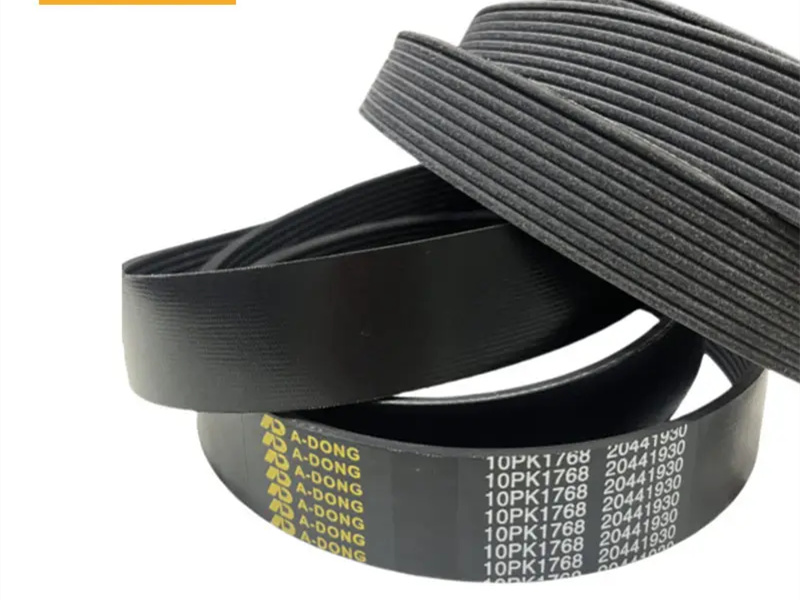
There are three types of car belts; the V belt, ribbed belt (also called serpentine belt) and timing belt are explained on this page. A timing belt is one of the vital parts in an engine that synchronizes the camshaft and crankshaft in most modern engines. Older vehicles typically would have three or even four belts while newer designs have been developed to decrease the complexity. However, there are no two belts which are exactly the same. Our extensive experience with manufacturing millions of V-belts, ribbed or timing belts (PK-belts), and dozens of applications makes us familiar with the differences inside and out.
Construction and Profile: Shape Dictates Function
The first obvious difference between the three is their cross section. This V-Belt runs in the V-groove of the corresponding pulley, and is trapezoidal in shape. It is the traditional design for an auxiliary drive system and has been used for many years.
The ribbed belt (also called PK belt) results are ribbed with longitudinal ribs on the internal surface of the belt.
Think of a number of narrow V belts lined up to make a wider belt. This makes these sorts of layout a great choice for small size pulley and is a flexible alternative, as the strain might be spread out on a better plane.
The timing belt is a totally different thing: It has to ensure precise synchronization of rotating. Specially developed core and cover materials are used in manufacturing this Guanpin timing belt which features high precision, high power transmission, low backlash and a fabric-reinforced tooth covering. In the timing belt, the teeth of the belt are meshed with the sprocket teeth to reduce the possibility of slip. Rectangular shaped teeth are covered with a fabric-reinforced layer for durability.
Operating Principle: Friction vs. Positive Engagement
Friction drive belts come in two types: V belt and Ribbed Belt. Their only way of transmitting torque is through static friction between the belt and the pulley. It must also offer some degree of tension so it doesn't slip and oil or water on the surface can also affect grip. However, the ribbed belt has a higher friction efficiency because of the large surface area of the belt, and the lower tension. Positive engagement – this is what Timing Belts are. The teeth in the pulley grooves interlock. This ensures that crankshaft and camshaft are always in sync and in phase with one another, eliminating the possibility of crankshaft/camshaft slip and/or phase change. Must be done in interference engines in which a small amount of misalignment can lead to piston to valve contact.
Application and Location Under the Hood
Belts can be divided into different categories, depending on their under-hood purpose. Older or less complex engine designs generally use V belts to operate a single or two accessories, such as the water pump, fan or alternator. They are also employed in a few heavy duty trucks or farm machines which are exposed to repeated shocks. The standard for serpentine drive systems is Ribbed Belts (PK Belts). This will decrease the amount of space and weight required since one belt can operate more than one pulley, like the alternator, power steering pump and A/C compressor and crankshaft. They can also be used in combination with a pulley equipped with an idler pulley on its back side.
The timing belt and tensioner are used to drive the valvetrain from the crankshaft, and is housed in the front of the engine behind a cover. Another critical component which may break is the timing belt. The timing belt failure may cause the engine to suffer serious damage that may happen without any warning. Every one of our timing belt will have a special mark on it at Guanpin, and will be coloured and custom printed for any application to avoid assembly issues.
Maintenance, Lifespan and Replacement Criteria
Durability and replacements are highly variable. V-belts are under higher tension or bending stress, and generally are used for a shorter period of time. They must be stretched and periodically inspected for signs of glazing, cracking and stretching. Typically, the replacement is carried out based on mileage or condition.
The bending fatigue per rib is lower and the running temperature is cooler, as a result of which Ribbed Belts last longer. However, over the years they will grow longer and get the ribs worn down. Worn belt may squeal and there may be signs of rib cracking.
The timing belts are the most critical with a replacement interval of 60,000-100,000 miles or as recommended by the OEM. The tensile cords might appear to be in good condition but they may wear inwards. Guanpin is suggested to change the timing belt, while replacing the tensioners and idlers, so that the timing system is reliable for timing belt changing.
Conclusion
To prevent belt failure, Guanpin advises the use of new belts and the replacement of other parts that include tensioner and idlers at the recommended time intervals of your vehicle's manufacturer. To reduce the risks from any major repair jobs. Guanpin provides high precision manufacturing and superior compound material, making the V-belts, high performance PK belts and precision timing belts top spares in the automotive sector. We don't only sell parts, we like to make driving partnerships.