 EN
EN
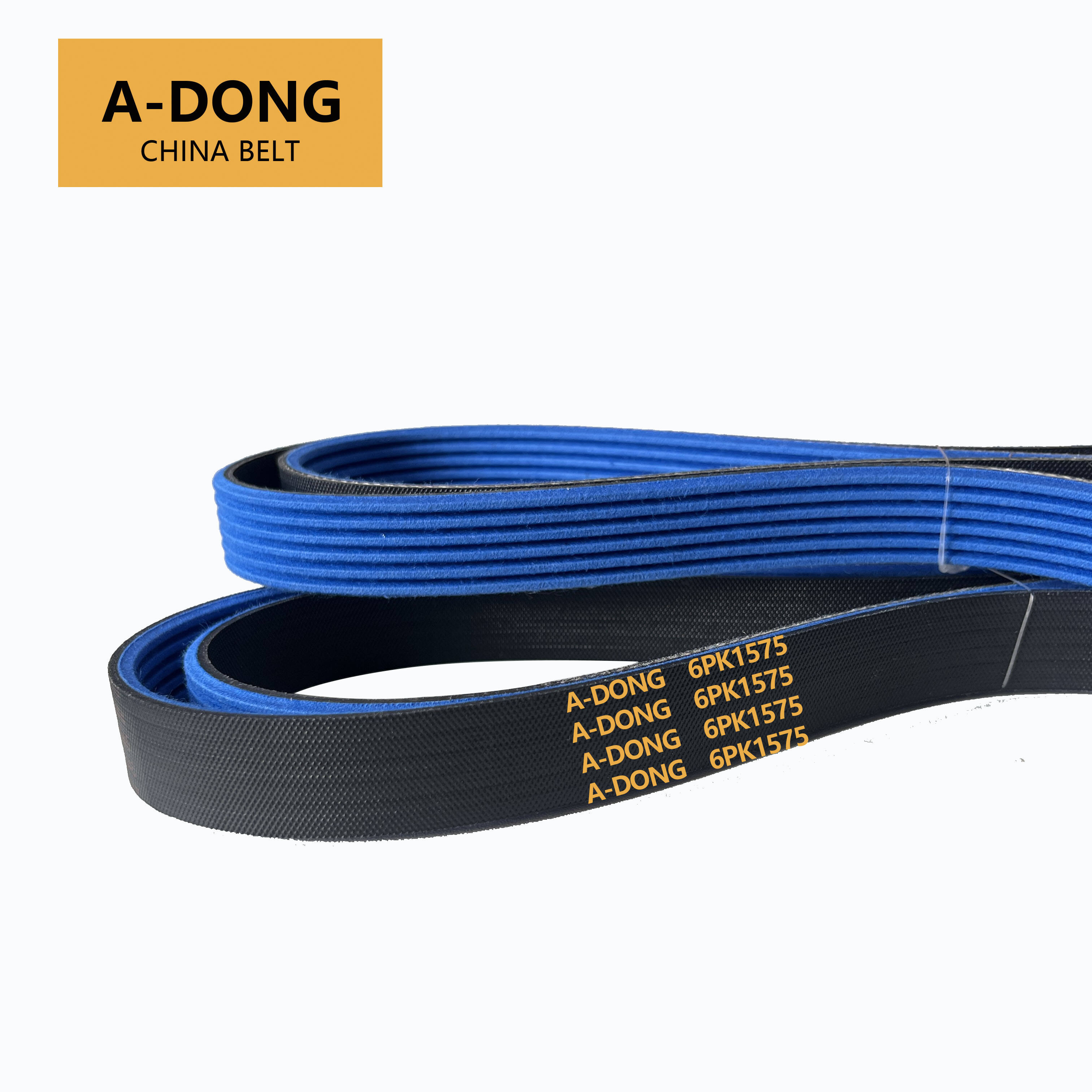
The multi-ribbed belts model, the reading of which has 6PK1008, has three key parameters that comprise the number of ribs, type of cross-section, and effective length. The structure is directly linked to the number of ribs + type + length that might be perceived in one step.
Taking the case of the 6PK1008 we will break it into the chunks.
1. Prefix number 6: Wig number.
Here it is the wedges of the surface of the multi-ribbed belt and six.
✅ Major feature: It should be the same amount of grooves on the equipment pulley (6 V-belts are supposed to be used with a 6-groove pulley) otherwise the transmission will not operate.
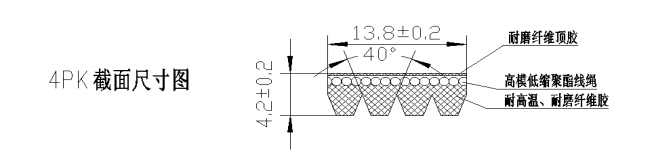
2. PK: the type of core specification was used as letters between the middle letters.
The most frequently used type of multi-ribbed belt (usually used in automotive engines, generators, etc.) is referred to as PK, and the fixed correspondences as follows:
Wedge distance (distance between two wedges): 9.5mm.
Volume wedge (groove depth): approximately 3.5mm.
When the letter is PJ, the letter would refer to a small belt; PL refers to a heavy duty belt and PK refers to the most popular in the real life scenario.
3. Suffix number 1008: This is the active length (unit millimeters mm).
It is simply a reflection of the useful circumference of the belt (length of the belt actually used when fitted) which in this case is 1008mm.
✅ Key Role, Length is the most important parameter of the installation it should be like the original belt. Incidents of overly long or short will result in transmission failure.
Summary: The general meaning of 6PK1008
→ 6 wedges, PK-type universal cross-section, length 1008mm (fit 6-slot wheels, use in automotive/conventional motor transmission).
Do you have any other models (those that have PJ/PL or decimals) then you can send them directly to me. I will help you in de-parameterizing them and make notes on which situations can be used. Would you like that?