 EN
EN
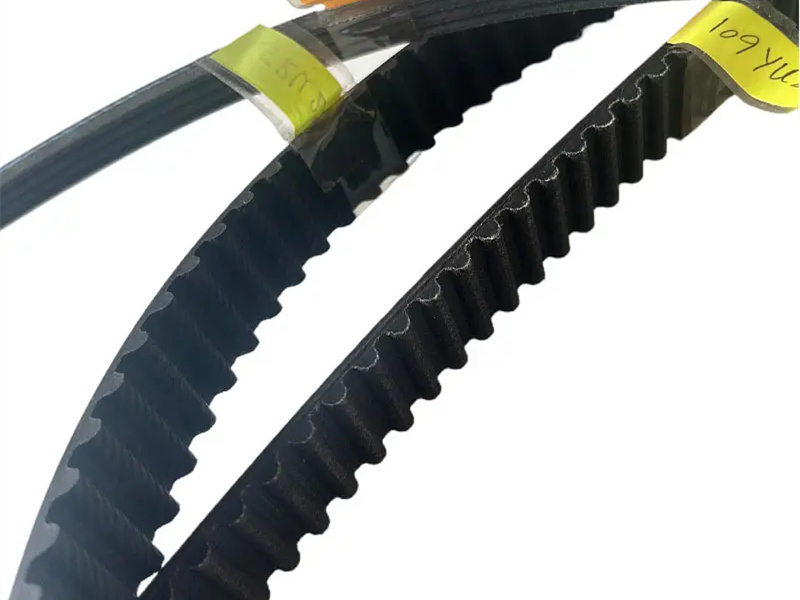
For anyone in the auto business or for their car owner, the engine compartment is a complex mess of parts, hoses and belts. The most common misidentified parts are the timing belt and the so called "serpentine belt," or "PK belt," or "multi-ribbed belt. They both play a necessary, but very different, role in the proper operation of the engine, have different forms of construction, and fail in different ways. For the past 26 years, we have produced both types at Xingtai Guanpin Rubber Products Co., Ltd., and we are aware of their precise and exacting differences. Let's now dive into both essentials and pinpoint them and distinguish them.
Primary Function: Internal Timing vs. External Power
The easiest distinction would be the fact they're used for different things. The synchronism of the internal motion parts of an engine, the crank shaft and the cam shaft, is performed by the timing belt (also called a toothed belt). This harmonious unity enables pistons and valves to operate in perfect synchrony. Belts that fail cause the engine to lose its timing, usually causing major damage to the engine including bent valves or broken pistons. The serpentine belt (usually of the type known as a multi-ribbed belt or PK belt) is an external accessory drive belt. This primary function is to drive other peripheral parts of the engine such as the alternator, power steering pump, air conditioning compressor and water pump. The damage to the engine itself is not likely to result from a failed serpentine belt, although problems with it can lead to a dead battery, overheating or steering failure. Depending on the function, precision timing belt and endurance PK belt are both produced at Guanpin.
Physical Construction: Teeth vs. Ribs
This is the second critical difference that is clearly evident when you look at it. A timing belt is a belt made from a material with molded teeth (or cogs) on the inside of the belt. They mate perfectly with identical gears (sprockets) on the crankshaft and camshaft and this is called "positive location. Because this is a type of tooth and sprocket drive, there will be no slippage and it is a very important function to ensure that the engine runs in time. When it comes to the timing belt, it tends to be broader, flat, and constructed using high tensile power fibres, for example of fibre glass or polyester cords, to avoid stretching under load. The serpentine belt is a V-belt with numerous ribs (crotches), which is attached to the underside of the belt (hence it is called "PK" belt or "poly-V" belt). The feature with serrated ribs is used for powering accessories through friction with the pulleys. A serpentine belt works by friction and tension, and is typically narrower and thinner than a timing belt, to wrap around several small pulleys. Guanpin's PK belts, made by special high-grade EPDM rubber, feature maximum heat resistance and durability, the ribbed profile of which is provided with special attention to optimum friction and minimum noise.
Replacement Intervals and Maintenance
Manufacturers generally specify mileage intervals for belt change, typically anywhere from 60,000-100,000 miles or 100,000-160,000 km, as the timing belt is under extreme stress and failure can cause serious consequences. If the timing belt needs to be replaced, gaining access to the engine timing is a time consuming process that involves removing engine covers, pulleys and more. Many of the workshops also take care of replacing the tensioner and changing the water pump as well, as they generally take roughly the same amount of time. The serpentine belt is also subject to wear and as such will be replaced on a longer and more flexible time frame. It can be seen from the outside and the wear signs are cracking, glazing and fraying. Replacement is typically much easier and faster since the belt is readily available and goes round the outside pulleys. As timing belts or PK belts, our belts are designed by Guanpin to meet the belt endurance requirement of the OEMs, so that our customers will have peace of mind.
Failure Consequences and Diagnostics
It is the most important difference to any driver or garage. Many times the timing belt failure can go unnoticed until it fails at an inopportune time and may result in the pistons slamming into the valves. In "interference engines" it leads to bent valves, broken pistons, and even a broken cylinder head. The expense to repair these issues can be a lot of thousands of dollars, so it's wise to change split systems in advance of the repair price hikes. A broken serpentine is more understanding. A broken serpentine belt will illuminate warning lights, lead to engine overheating and loss of power steering, but not cause damage to the engine. The visual inspection method can be used to determine the condition of the serpentine belt on a regular basis, in advance of failure, and can detect cracks or wear. Guanpin provides you complete solution of both Belt Types with our 26 years production experience and reliability and value products. Now we can assist you with the precision of your timing belt, the power transfer of your PK belts and everything in between.