 EN
EN
When repairing or maintaining the engine and accessories of a vehicle two types of belts often come up: timing belts and PK belts. These are both integral parts of the vehicle, but they have completely different functions, construction, and failure modes. Being aware of the difference between a timing belt and a PK belt allows you to make educated decisions when buying replacement parts or specifying belts for manufacturing purposes. This guide outlines the differences in a clear, easy to follow format.
Primary Function and Location in the Vehicle
The timing belt, also known as a toothed belt or camshaft belt, only has one primary function to perform: synchronizing the rotating action of the crankshaft and the camshaft. By correctly spacing the meshing teeth the timing belt ensures that the valves open and close in correct relation to the movement of the piston. The belt is internal to the engine, concealed behind a cover. Failure of the timing belt means that the valves could collide with the pistons resulting in engine failure, costing significant expense to repair.
The PK belt, alternatively known as the poly V-belt, serpentine belt, or alternator belt, has one sole function: to drive a series of peripherals (like alternators, power steering pump, air-con unit, fan etc.). The belt runs on the external parts of the engine, subject to exposure. Failure of the PK belt does not pose any danger of catastrophic failure as it usually only results in loss of power steering, battery charging or air conditioning systems.
Tooth Profile and Belt Construction
The main visible differences between the two types of belt come down to their outer appearance. A timing belt has a toothed or cogged inner surface that mates with matching teeth present on the pulley. This mechanical connection between belt and pulley is used to stop slippage and therefore maintain synchronous timing. They also contain internal high tensile cord to prevent the belt from stretching under strain.
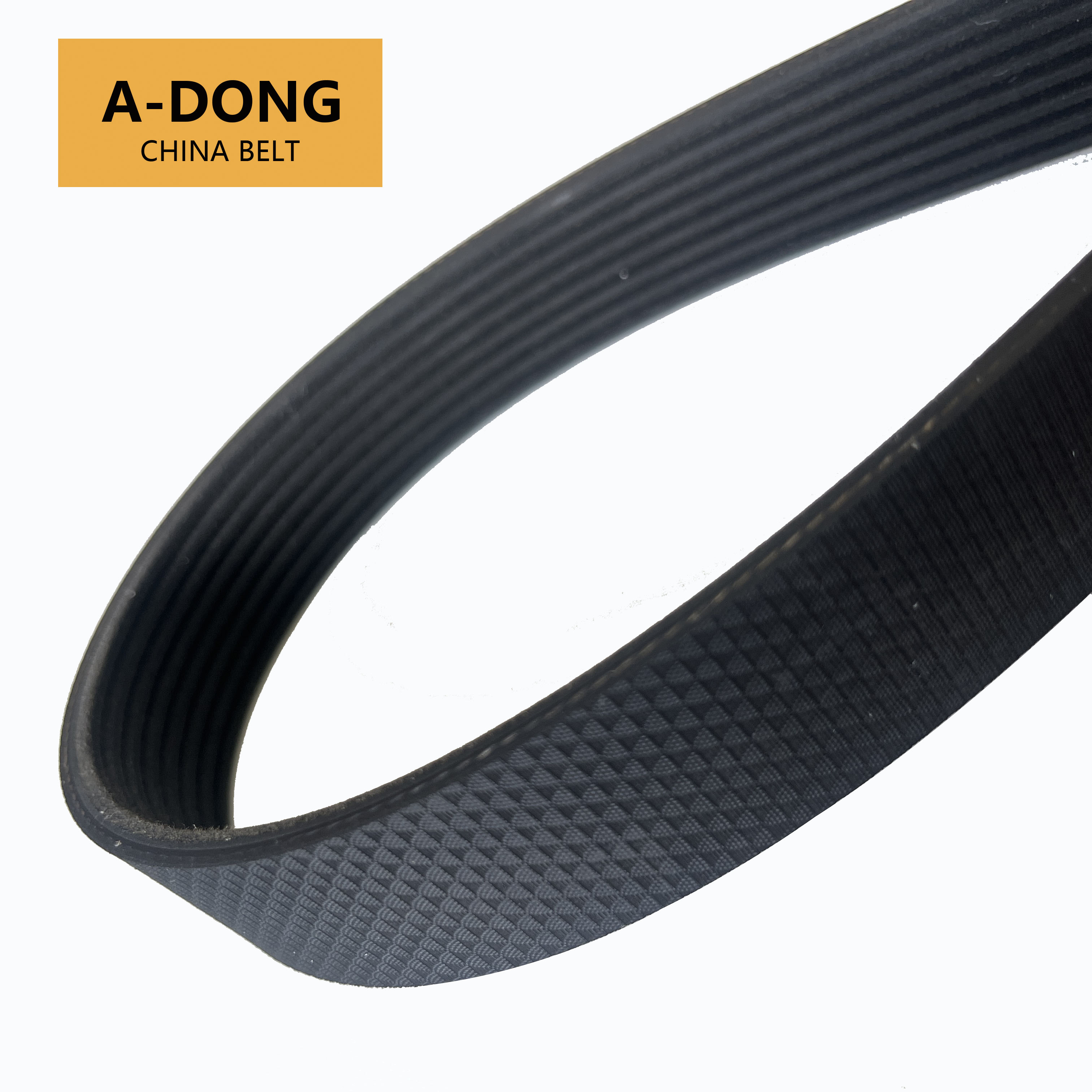
The PK belt features multiple V-shaped ribs along its length running along the inner surface of the belt. The term PK stands for metric cross-section standard. These ribs fit snugly into corresponding grooves on the pulley and it is the resulting friction between the belt and pulley that creates the drive mechanism. Material Composition and Durability Factors
Both belts utilize advanced material technology to enhance durability. Timing belts use specialized rubber composites such as hydrogenated nitrile butadiene rubber, in combination with a heat resistant fabric covering on the outer part of the tooth surface to ensure high durability within the hot confines of the engine and to prevent loss from oil and water contamination.
PK belts often employ EPDM rubber which provides the advantages of resisting ozone, heat and weather more effectively and helps prevent cracking and glaze formation, unlike their older neoprene counterparts. Manufacturers such as Xingtai Guanpin Rubber Products Co., Ltd. offer customized rubber compounds for each belt to meet specific requirements.
Replacement Intervals and Failure Modes
Timing belts typically come with specified replacement intervals, between 60,000-100,000 miles; these figures should always be taken seriously as this type of belt failure will cause serious damage to an engine. Typical signs that a timing belt needs replacement include cracked or worn teeth, frayed edges, and occasionally a whirring sound. Unfortunately however, in many cases there is no indication and failure will be sudden.
PK belts typically last between 50,000-100,000 miles, but often show signs of wear beforehand. The inner surface may appear glazed and polished which is indicative of the belt slipping, this could lead to complete failure at any point and it would therefore be advisable to replace any belt that displays this type of wear.
Customization and Manufacturing Flexibility
When dealing with a professional belt manufacturer like Xingtai Guanpin Rubber Products Co., Ltd., customization options vary significantly depending on the type of belt. For timing belts customization refers mainly to aspects like tooth profile precision and type of internal cord, and for timing belts, tight quality control is absolutely essential and you should only buy from manufacturers you trust.
PK belts allow for much greater physical modification. You can add customer authorized branding to the belt’s exterior, apply trademark names, and even request a wider variety of colors. Custom rubber compounds and cord materials can also be sourced to control power output based on your requirements. For after-market brands that require a unique identity or for manufacturers that may require specific traits in their belts the PK is an incredibly flexible product. Xingtai Guanpin Rubber Products Co., Ltd. have 26 years manufacturing experience and can both design and provide each of the belts while offering various forms of customization, all under international standards of quality.
All belts supplied by reputable manufacturers like Xingtai Guanpin Rubber Products Co., Ltd. are tested rigorously to ensure they meet international quality standards. So whatever the situation, be it replacement of a worn timing belt on an interference engine, or sourcing a PK belt to provide a higher power output to an alternator system, having a basic understanding of both types of belts will always be an advantage when purchasing from manufacturers.