
 EN
EN
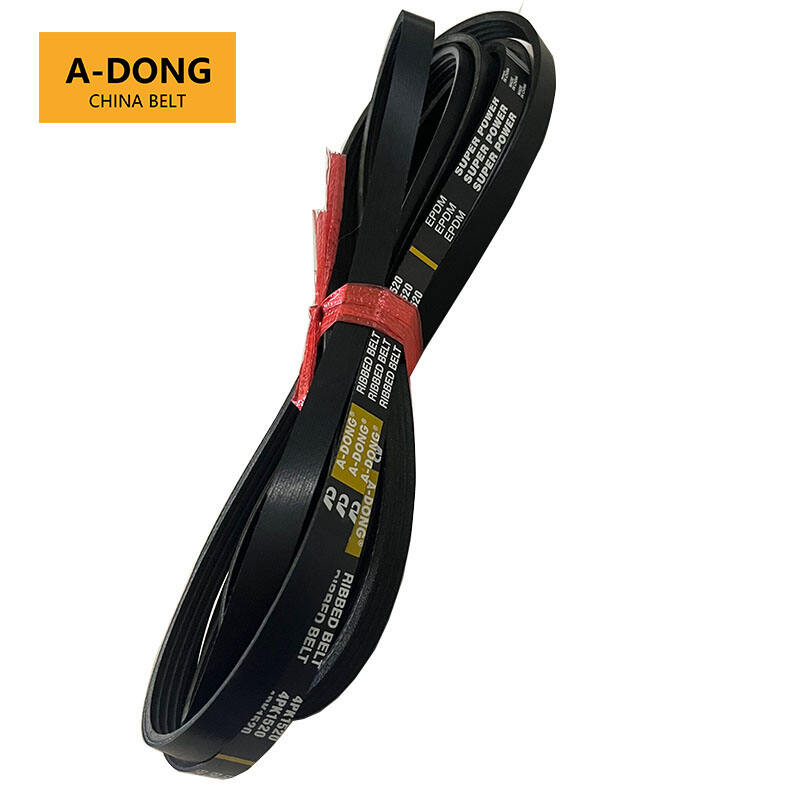
One of the most important and unseen parts in any modern engine is the timing belt. You don't usually know the timing belt is even there unless you have an engine problem. This is because unlike an alternator or air conditioner belt,the timing belt is housed behind plastic covers. A basic understanding of the timing belt and the vital role it performs can greatly help you appreciate why using quality parts at the right time can make a huge difference in your engine.
Definition and Physical Characteristics of a Timing Belt
A timing belt,otherwise referred to as a camshaft drive belt or toothed belt,is generally made from a high-quality rubber with an even series of precisely formed teeth spaced equally along the inside perimeter of the belt. These teeth mesh into respective grooves present on metal pulley systems. Due to the positive interlock formed by the teeth engaging in the pulleys' grooves,no slippage occurs.
The construction of a quality timing belt can typically involve several different layered materials. This is typically a robust,heat resistant rubber compound acting as the framework for the belt,with the addition of stretched fiberglass and/or aramid tensile cords that are typically situated parallel to one another within the length of the belt,which resist stretch and elongation under the pressures of engine operation. On the teeth,there is usually a durable cloth layer of some sort present to offer abrasion resistance and also to prevent cracking from friction in the long run.
The Primary Role Synchronizing Crankshaft and Camshaft
The crankshaft and camshaft of the engine have to work together in complete unison. The engine's crankshaft,which is driven by the pistons as they travel up and down the cylinder,rotates in a continuous fashion. The camshaft,which opens and closes the valves,must work in tandem with the crankshaft,rotating at exactly half its speed. The timing belt connects these two shafts.
This unison operation is vital to the performance of the engine. While the piston rises to compress the air-fuel mixture,both the intake and exhaust valves need to be in their closed position. As the piston descends on its intake stroke,the intake valve needs to open. All of this needs to happen in perfect time with the pistons.
Why Precise Timing Affects Engine Performance and Efficiency
Proper alignment between the two shafts as dictated by the timing belt results in a great performance from the engine. The valves open and close at the perfect moments to give the engine as much power and efficiency possible without an excessive decrease in the engine’s responsiveness and efficiency at any given speed. A small degree of slippage is all it would take to significantly impact these results.
If the timing belt stretches,or even slips one tooth,it will significantly change the engine's behavior at all operating points. When driving a car that has had the timing belt slip a tooth,you will typically notice less acceleration,higher RPMs when operating under normal conditions, and lower fuel efficiency. If a very poor or broken timing belt causes the valves and pistons to meet (which only occurs when the valves and pistons both open to their full extent simultaneously) the catastrophic damage to the engine valves and pistons could lead to very expensive repair costs. It is vital to use quality timing belt manufacturers for your engine,as the performance of your engine relies on their products.
Common Signs of Timing Belt Wear or Failure
Unlike an alternator or air conditioner belt,the timing belt usually gives little warning before failing. Sometimes a high pitched whir or chirp may be heard,along with a rough,vibrating,or high idle. It could also result in a non-start condition altogether. It is imperative to understand that these types of problems could be attributed to an aging, deteriorated timing belt.
Oil leaks are also another primary warning indicator for problems associated with the timing belt;oil is extremely abrasive to timing belts,and will accelerate the degradation of the material by many times. If your timing belt also operates the water pump,a leak in the area surrounding the timing belt casing can result in damage from coolant. The only really sure way to know if your timing belt is getting up in its mileage is to reference the manufacturer's interval,which for the majority of vehicles is between 60,000-100,000 miles. By replacing it before then you are preventing the much higher expense of fixing your engine.
Regular Inspection and Timely Replacement Protect Your Engine
The timing belt operates at its maximum strain every time the engine is running. Age and continuous use will result in its eventual wear and degradation. Keeping a meticulous eye on when your timing belt is supposed to be changed and changing it then,or before if there are visible signs of wear (which are often unseen in modern engines with plastic timing covers) can drastically improve the lifespan of your engine,and potentially prevent thousands of dollars of repair work. Regular inspections,which can be performed by looking through the engine covers where applicable,can be used to determine when your timing belt is ready for changing,and they usually show an approximation of this age based on their look and material.
When it's time to get your timing belt replaced, you want to find a quality timing belt manufacturer. Whether you are looking for a timing belt made of custom material such as various rubber compounds,or an OE standard replacement timing belt for your car or other motor vehicle,there is only one choice for a truly quality part and a long-term business relationship,and that is Xingtai Guanpin Rubber Products Co., Ltd. Their reliability,focus on lasting partnerships,and production of top-quality rubber components make them one of the best choices for timing belt replacement. Your engine deserves the best quality part and maintenance possible!