
 EN
EN
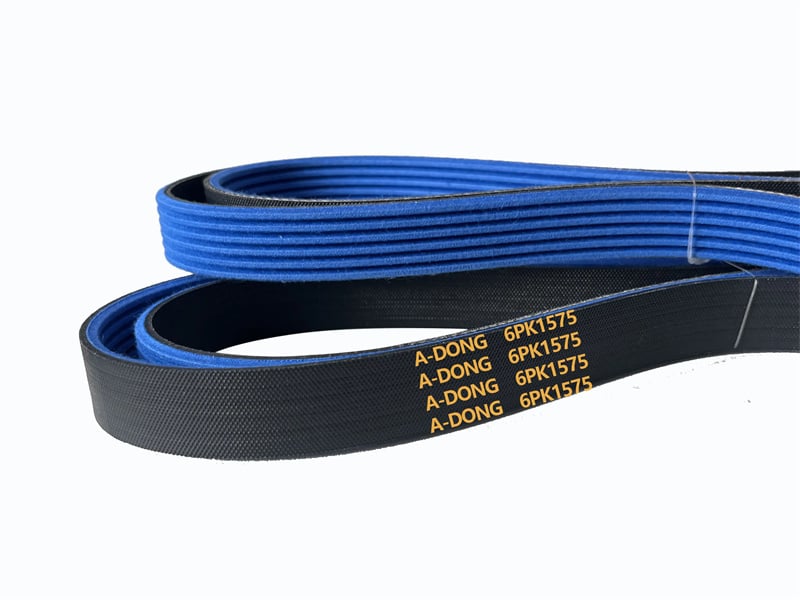
Whether you hear a high-frequency squeal or a persistent chirp from your engine, you drive belts are signaling a potential problem. Belt noise not only annoys you; it signifies that a part is failing and needs immediate attention. The information in our guides covers V-belts, fan belts, and timing belts. It will help you identify potential issues, understand their consequences, and find effective solutions for different types of belt noise. Over 26 years of production, we have rigorously tested our belts for performance and reliability, proving that they offer a long-lasting solution.
Understanding the Common Types of Belt Noise
Understand the Source of Your Whining Sound Before you’ll be able to properly find and fix the cause of your whine, you will first need to know what you’re up against. The most common types of belt noise are screeching, squeaking,and grinding. The sound of a screech usually occurs under heavy load and/or a slackened belt condition and may indicate a need for a cleaning of your belt surfaces. A high frequency whine that sounds like a chirping or a squeak on a repeated basis likely indicates some form of misalignment or worn bearing within one of your pulleys. Grinding sounds are more serious and may result from debris on the belt surface or a failing tensioner. At Guanpin, the superior rubber composite formula and finely constructed core elements we employ in the manufacturing of our automotive belts as well as our v-belts have greatly reduced the potential of encountering any of these problematic sounds.
Root Causes: Why Do Auto Belts Become Noisy?
The sounds generated by belts can be classified, on a very general level, under 3 broad categories: mechanical problems, environmental factors and material deterioration. Common mechanical problems include tension problems (not enough or too much), pulley misalignment or tilt and worn bearings. If the belt is too loose it slips and causes friction heat then it could glaze and squeal. If too tight, it puts an undue strain on bearings, creating the sound of whining. Excessive amounts of oil leaks, coolant spills, dust or dirt can reduce traction on the belt causing belt slippage. After a while, there is damage to the material, ozone, constant flexing and heat cause the rubber to harden, crack or lose its elasticity. These noise concerns can be eliminated in conjunction with Guanpin and customized rubber materials and rope materials can be developed accordingly for the specific working condition.
Effective Diagnostic Steps for Identifying the Source
We recommended a step-by-step approach, using both visual and auditory inspection. Turn off the power (engine off) and check the belt visually for cracks, fraying or shiny/polished surface (glazing). Apply even pressure to the belt at the longest span. If it deflects about 1/2 inch per 12 inches of span, the tension is correct. If it is not at the point of deflection, compensate, as needed. If chirping noises are heard, listen to each pulley/belt tensioner at idle with the mechanic's stethoscope to see what is causing the noise: belt or failing bearing. In addition, use a straightedge to check pulley alignment, even a small misalignment can cause chronic chirping. If it is necessary to replace all belt, Guanpin advisesreplacing the belt and keeping a proper maintenance record. Both our timing belt and toothed belt series are engineered for exceptional dimensional stability, making alignment inspection easier and extending service life.
Practical Solutions and Preventive Maintenance Strategies
Once you have figured it out, you can very easily get to the correct resolution. If the noise is caused by incorrect tension, adjust the tensioner according to the manufacturer's specifications. In case, the tensioner has loosen then it is time for changing it. If the belt is contaminated with oil or coolant, the rubber will degrade and become ineffective. In such cases, replace the belt immediately — cleaning will not restore its performance.
You have to replace the belt, after cleaning the used one with brake cleaner. If the drive system is out of alignment then, you have to adjust the pulleys, worn out brackets, or bushings. But it would be an ideal option to perform some preventative maintenance, however. If not under tension, the belt must be changed. According to driving conditions, Guanpin advises that you should consider changing the auto V belt and/or fan belt every 60,000 – 90,000 km.
It also makes available custom drive belts with customer approved logos and colours, which gives a choice of customized solutions to fleet managers and aftermarket traders to avail consistent and optimum product quality. Ultimately, noise from belt is a common problem but an easy one to rectify with proper understanding, maintenance and repair solutions.
As a professional manufacturer, Guanpin supplies you trusted automotive timing belts,PK belts or highly robust yet absolutely corrosion resistant toothed belts that maintain an exemplary quiet ride through high miles. If your business is near or far and you want us to help supply you, just like our numerous satisfying customers globally, we invite you to collaborate and grow together for the long term, under fair terms and pricing.