 EN
EN
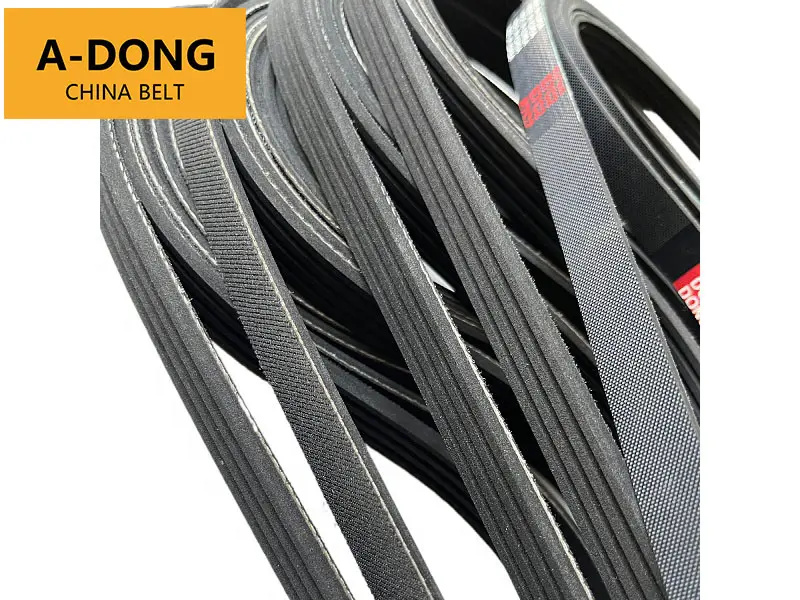
Shipping rubber belts for automobiles is not easiest process, because each country has its own technical requirements, standards on safety, and document demands for import procedures and for trusting distributors. With more than 26 years of export experience around Asia, Europe, Americas, and Middle East, Guanpin is knowledgeable and skilled in navigating these standards. Whether purchasing V-belts, timing belts, PK belts or other belts, here are worldwide standards, certifications, and import regulations for you to review.
European ECE R78 & ISO/SAE Specifications – The European Market
For European Union imports, belt products will actually undergo ECE R78 testing which covers belt-driven auxiliaries under braking approvals and must comply with crucial profile standards such as ISO 9981 (PK belt profiles) or ISO 9011 (V-belt dimensions). Furthermore, common benchmark for our market at OE level is SAE J1459 for dynamic testing. We therefore engineer our belts from scratch to meet equivalent specification. Our EPDM compound is subject to ISO 1431 ozone testing, and dynamic fatigue is conducted according to SAE J1887. The essential document for an importer will be Certificate of Conformity, proving that your batch of belts has successfully undergone respective test procedures. A declaration that belt rubber is REACH and RoHS compliant is also available on request. This means no chemicals known to cause damage or exceeding thresholds set out in EU law have been utilized and our materials have been fully checked against legislation and are legal.
North American Standards – SAE, ASTM, and FMVSS Implications
For automotive belt industry in United States and Canada, several standards primarily dictate belt design. These include SAE (Society of Automotive Engineers) standards, with SAE J636 (V-belts) and SAE J1919 (automotive timing belts). ASTM D4671 applies to tests for tensile strength and adhesion of rubber belts. There are no belt-specific FMVSS(Federal Motor Vehicle Safety Standard). However, when timing belt fails, it may result in complete loss of power and/or steering assist which indirectly affects safety and that is reason why U.S. customers always need Material Safety Data Sheet (MSDS) and lab report on burst strength, heat aging and resistance to tooth shear, etc. For our export belts, Guanpin routinely sends samples to third-party test laboratory to test according to SAE requirements, and we are able to offer you these lab test reports with your ordered belts. Moreover, for OEM replacement belts, our engineers will design them in compliance with SAE J1995 which requires same measurement of belt length and can easily be used on any U.S., Japanese, or European origin vehicles running on North American roadways.
Asian & Middle Eastern Requirements – JIS, GB/T, and SASO
JIS (Japanese Industrial Standard) K 6323 for V-belts and timing belts is used across many of Asian countries, especially in Japan, South Korea and Southeast Asia. China's GB/T 12734 standard follows closely international standards with an extra clause detailing required test for tropical and high humidity climate. The Saudi Standards, Metrology and Quality Organization (SASO) mandates that belts for Middle East markets, especially in Saudi Arabia and UAE that its belts need to meet heat resistance test at higher temperature (up to 120°C) due to desert conditions. At Guanpin, we've modified our EPDM compounds to consistently pass these higher temperature endurance test. We also offer bilingual labeling (English/Arabic or English/Chinese) and can print required SASO cautionary marks on packaging. Every Guanpin export shipment includes manufacturer's declaration of conformity to corresponding standards. This is why we’ve become preferred partners for distributors in Dubai, Bangkok and Kuala Lumpur for long time.
Documentation, Labeling & Traceability – The Importer's Checklist
In addition to material criteria, inspection bodies will also look at your packaging, labelling, and traceability of your product. At Guanpin, all of our belts are fitted with laser marking, to identify product in batches, date of production and any referenced standards (such as "ISO 9981" or "SAE J1319"). Shipments are dispatched to you complete with, commercial invoice quoting HTS code (such as 4010.35 for timing belts), packing list, and Certificate of Origin for countries where you qualify for preferential tariff arrangements. For such countries as European Union, we will mark products with CE-certification as they are used on equipment that falls under Machine Directives. We will also complete CBP (Customs and Border Protection) entry summaries and declarations should you be dealing with North America. The ISO 9001:2015 principles behind our Quality Management System assure you with full product traceability, all way from primary material that forms your belt, right through to final inspection. When your importer is dealing with Guanpin, they receive complete, ready to file customs pack, which helps speed through port and required due diligence, because we know that this is part and parcel of import compliance.
Compliance is not suggestion, it’s cost of access to trusted global markets. That’s why we’re continually updating testing equipment, personnel training, and certifications used to create belt package that performs beyond expectations, but doesn’t fall short on paperwork customs officers and purchasers expect. Contact our export team and give us your target destination country, then we will provide customized compliance checklist, specimen documentation, and product specification sheet tailored to your specific compliance requirements. Your global aspirations don’t have to end with our standards.