 EN
EN
Entering an auto parts store or searching the web for a replacement belt can seem like a daunting task. A whole display case filled with belts that have varying rib counts, length, and tooth profiles can confuse even the most seasoned car enthusiast. However, picking the correct belt for your car should not be that complicated. With just a few key factors, you can select the perfect belt that will install with ease and last for years of reliable use.
Identify Which Belt Type Your Car Needs
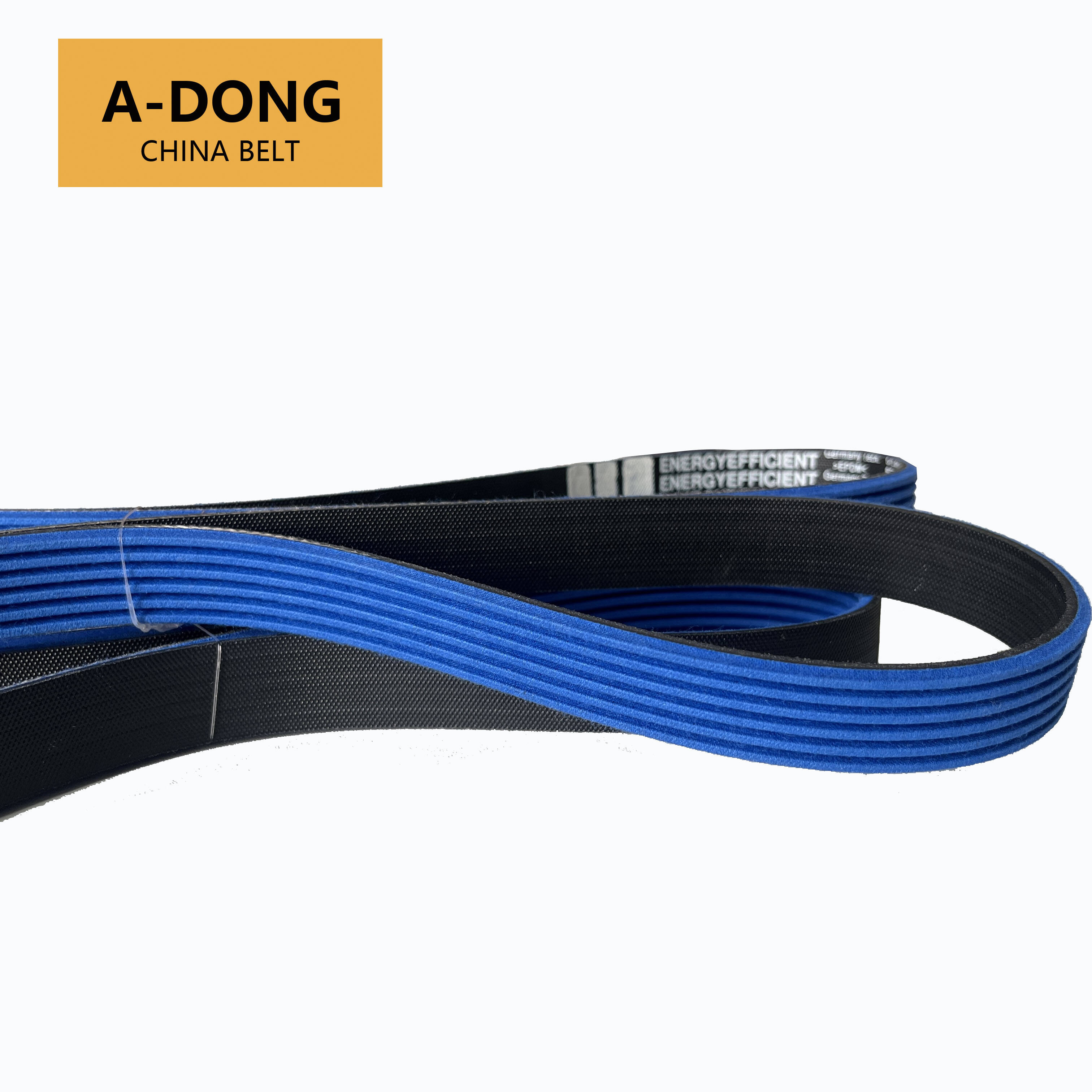
In most modern vehicles, you will encounter two types of belts. The timing belt is located inside your engine and controls the crankshaft and camshaft. Timing belts are toothed and must be installed at specific intervals. An accessory belt, also known as a PK or serpentine belt, powers your alternator, power steering pump, air conditioner, and sometimes water pump. These types of belts have many V-shaped grooves along the underside.
For older vehicles, you may still use a single V-belt, which has a single V shaped groove around the entire perimeter. These can still be used on classics and in some industrial applications. To find out what type of belt you need, look in your vehicle's owner's manual or at the belt itself. If it has teeth, you need a timing belt.If it has multiple V-grooves, you need a PK belt. If it has a single V-groove, you need a V-belt.
Determine the Correct Size and Specifications
Once you have figured out what type of belt you need, you must find out the exact measurements. For timing belts you will need three distinct measurements: the tooth pitch, which is the distance between teeth, the tooth count and the width of the belt. Any error will result in a poor-fitting belt, if your car runs at all.
For PK belts you need the rib profile, rib count and the effective length of the belt. While the length is the most important factor with PK belts, you also need the correct rib count, which will determine even wear of the grooves in the belt. Many incorrectly assume that length is the only measurement needed. Other measurements are only needed for specific replacements, not typical replacements.
With V-belts, you will need to measure the overall top width of the belt, the thickness of the belt and the outer circumference of the belt. These measurements do not need to be exact, as the belt must fit snugly into the grooves.
If you do not have an old belt to take measurements from, use the VIN of your vehicle or check an application guide from a known manufacturer.
Compare Material Quality Between Options
Not all belts, even with correct measurements, are created equal. Your belt's lifespan will depend upon the quality of the rubber compound that it is made from. A higher-quality EPDM material is ideal for most serpentine and PK belts as it is extremely resistant to ozone, heat and cracking. Neoprene belts may seem similar to EPDM rubber belts, but EPDM belts have significantly longer lifespans, even when exposed to extreme conditions, and will remain more pliable and not crack in very cold weather.
For timing belts, high heat-resistance is the main consideration. Also, ensure that the timing belt you purchase uses fabric covered teeth that are designed for optimal wear resistance. Avoid stiff timing belts or belts with apparent cracks in the rubber even when the belt is brand new. With a proven brand like Xingtai Guanpin Rubber Products Co., Ltd., you can benefit from their ability to use various cord and rubber materials provide the perfect belt for your driving conditions.
Consider Customization Options for Specific Needs
If you have certain unusual circumstances or specific needs, there are also customization options available for belt orders. If you own a business that operates with multiple vehicles in varying extreme conditions you may consider ordering belts that are designed with specialized rubber compounds to prolong the belt's lifespan and efficiency in these extremes. Some businesses like Xingtai Guanpin Rubber Products Co., Ltd. can imprint and apply customer supplied logos and branding on the belts if needed to promote your business under your own brand. Custom coloring for visual product separation or application coding can also be accommodated. Technical mastery is shown when companies can change product coloration and rope type to create specific belts while maintaining their functionality and performance.
Avoid Common Mistakes When Buying
The most common mistake when purchasing a replacement belt is purchasing a belt that is not quite the correct measurements. Just because the measurements seem to be close does not mean the belt will work. For a PK belt, if you use one with one fewer rib than needed, the unsupported parts of the pulley grooves may wear away quickly, damaging the pulley and producing noise. For timing belts, incorrect measurements are an even more critical error, and it will result in the timing belt jumping teeth, or not properly meshing at all. Another crucial mistake is exceeding the recommended replacement interval for your timing belt. A timing belt should be replaced according to the manufacturer's recommended interval (typically 60,000-100,000 miles). Failure to do socan lead to much costlier repairs, as a broken timing belt can destroy a modern engine, costing thousands of dollars. Do not simply buy the cheapest belt available. The cheapest belts out there will undoubtedly have lower quality rubber, inferior cord material and overall shorter lifespans. A more appropriately priced belt will end up saving you money due to fewer replacements and more reliable performance.
Xingtai Guanpin Rubber Products Co., Ltd. offers the blend of cost effectiveness and performance due to its twenty-six years in business and their wide array of custom and performance based products. Whether you are replacing a timed belt on an interference engine, a serpentine belt on a late model car, or a fan belt on a classic vehicle, the most important aspect of replacing your vehicle's belt is taking precise measurements, using quality materials, and investing in a well manufactured product.